

Counselling Across Alberta
Addiction &
Recovery Support
for Men
Support Without Shame.
Recovery Without Judgment.
Practical, confidential counselling for men who want to understand their relationship with substances or addictive behaviours, make meaningful changes and build a more sustainable path forward.
When It Starts Taking More Than It Gives
Addiction does not define who you are. Substance use or addictive behaviours can become ways of managing stress, pain, pressure or difficult experiences. Counselling can help you understand the pattern and decide what you want to change.
Losing Control
You are using more, staying longer or repeating the behaviour more often than you intended.
Using to Cope
Substances or behaviours have become your main way of managing stress, emotions, memories or pressure.
Keeping It Hidden
You minimize, hide or feel unable to speak honestly about what has been happening.
Relationship Strain
Trust, communication, intimacy or connection with the people closest to you has been affected.
Life Disruption
Work, finances, health, responsibilities or daily routines are becoming harder to manage.
Trying to Stop
You have tried to cut back or stop but find yourself returning to the same pattern.
What We Can Work On
- Understanding what is driving the pattern
- Recognizing triggers, urges and high-risk situations
- Developing healthier ways to manage stress and emotions
- Reducing harm and making changes at a manageable pace
- Working through shame, guilt and self-criticism
- Rebuilding trust and communication in relationships
- Creating a practical plan for recovery and ongoing support
What Change Can Look Like
- Making more intentional choices when urges arise
- Feeling less controlled by substances or addictive behaviours
- Managing difficult emotions without returning to old patterns
- Being more honest with yourself and the people you trust
- Rebuilding stability in work, relationships and daily life
- Responding to setbacks without giving up on your progress
- Building a recovery approach that feels realistic and sustainable
Therapists Who Can Help
Work with a therapist who understands addiction, recovery and the experiences that can sit beneath the pattern—without shame, pressure or judgment.

Grant Coupland
Registered Provisional Psychologist
In-Person in Cochrane • Virtual
Addiction • Trauma • Operational Stress
Practical, collaborative support for men working through substance use, trauma, operational stress and difficult life experiences.
Support Animal Available for In-Person Sessions
Meet Grant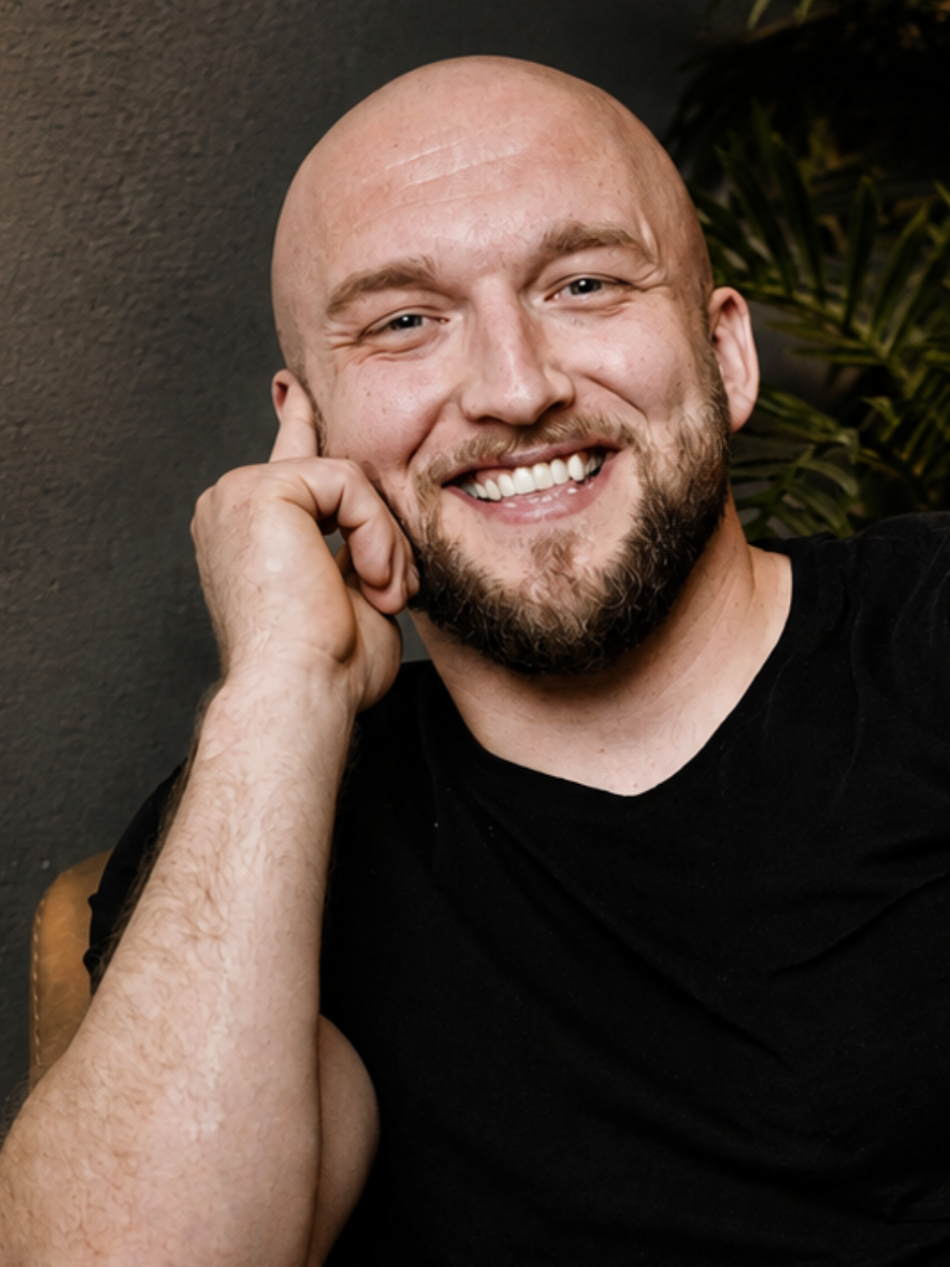
Logan Harland
Certified Canadian Counsellor
Virtual Only
Recovery • Identity • Belonging
Straightforward, relatable support informed by professional training and lived recovery experience, with a focus on identity, connection and sustainable change.
Meet LoganFrequently Asked Questions
Questions About Addiction and Recovery Support
Do I Need to Identify as Having an Addiction?
No. You can begin counselling if you are concerned about your relationship with a substance or behaviour, even if you are unsure how to describe it. Counselling can help you understand the pattern and decide what changes feel right for you.
Do I Have to Be Ready to Stop Completely?
No. You do not need to have every goal decided before starting. Your therapist can meet you where you are and help you explore your concerns, motivation, risks and options without shame or pressure.
What Types of Addiction Can Counselling Address?
Counselling may support concerns involving alcohol, drugs, gambling, gaming, pornography or other behaviours that feel difficult to control or are affecting your health, relationships, work, finances or daily life.
Is Counselling the Same as Detox or Medical Treatment?
No. Counselling can support the emotional, behavioural and relationship aspects of addiction and recovery, but it does not replace medical assessment, withdrawal management or emergency care. If stopping a substance could cause withdrawal, seek medical guidance before making sudden changes.
What If I Have Tried to Stop Before?
Previous attempts are not proof that change is impossible. Counselling can help you understand what made those attempts difficult, identify triggers and strengthen the support and strategies available to you moving forward.
Can Counselling Help After a Return to Use?
Yes. A return to use does not erase the progress you have made. Counselling can help you understand what happened, respond without becoming stuck in shame and adjust your recovery plan to better support what you need now.
Is Addiction Counselling Available Virtually?
Yes. MFM offers confidential virtual counselling for clients located across Alberta with all our therapists and in-person in Cochrane with both Grant and Rhylee.
How Many Sessions Will I Need?
The number of sessions depends on your concerns, goals and the type of support you need. You and your therapist can discuss an approach together and adjust it as counselling progresses.
Is Addiction Counselling Covered by Insurance?
Coverage depends on your insurance plan and the professional designation of your therapist. We recommend confirming your coverage directly with your insurance provider before booking.
You Don’t Have to Do This Alone.
Book confidential addiction and recovery counselling or start with a free consultation to find the right therapist.