
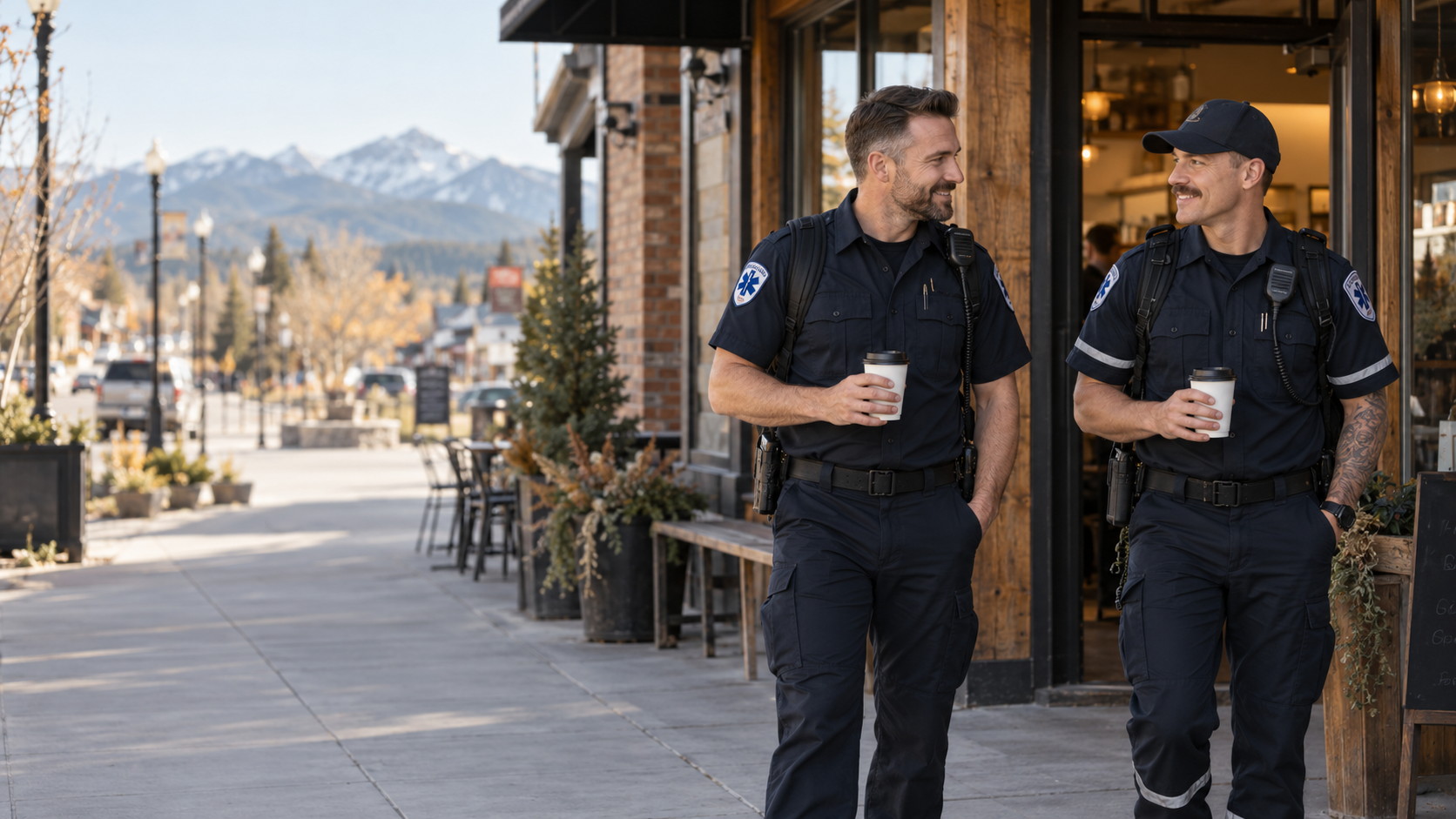
When What Happened Is Still With You
Trauma can continue affecting your body, thoughts, relationships and sense of safety long after the experience has ended. You may understand what happened and still find yourself reacting as though the threat is present.
Intrusive Memories
Memories, images or physical reactions return when you do not expect them.
Always on Guard
You remain alert, watchful or prepared for something to go wrong.
Avoidance & Numbing
You avoid reminders, shut down emotionally or disconnect from others.
Sleep Disruption
Nightmares, racing thoughts or feeling unsafe make rest difficult.
Anger & Irritability
Your reactions feel faster, stronger or harder to control.
Guilt & Shame
You blame yourself, question your decisions or carry responsibility alone.
What We Can Work On
- Understanding how trauma continues to affect you
- Recognizing triggers and automatic survival responses
- Managing intrusive memories and physical reactions
- Reducing avoidance, shutdown and emotional numbing
- Responding differently to anger and hypervigilance
- Processing guilt, shame, grief or moral injury
- Rebuilding safety, connection and trust
What Change Can Look Like
- Feeling safer and more present in everyday life
- Responding to triggers with greater control
- Sleeping more consistently and feeling less on guard
- Experiencing fewer intrusive memories and reactions
- Reconnecting with your partner, family and yourself
- Carrying less guilt, shame and self-blame
- Moving forward without minimizing what happened
Trauma-Informed Therapists
Each therapist brings a different area of experience and approach to trauma support. Explore their profiles to find the person who feels like the right fit for you.
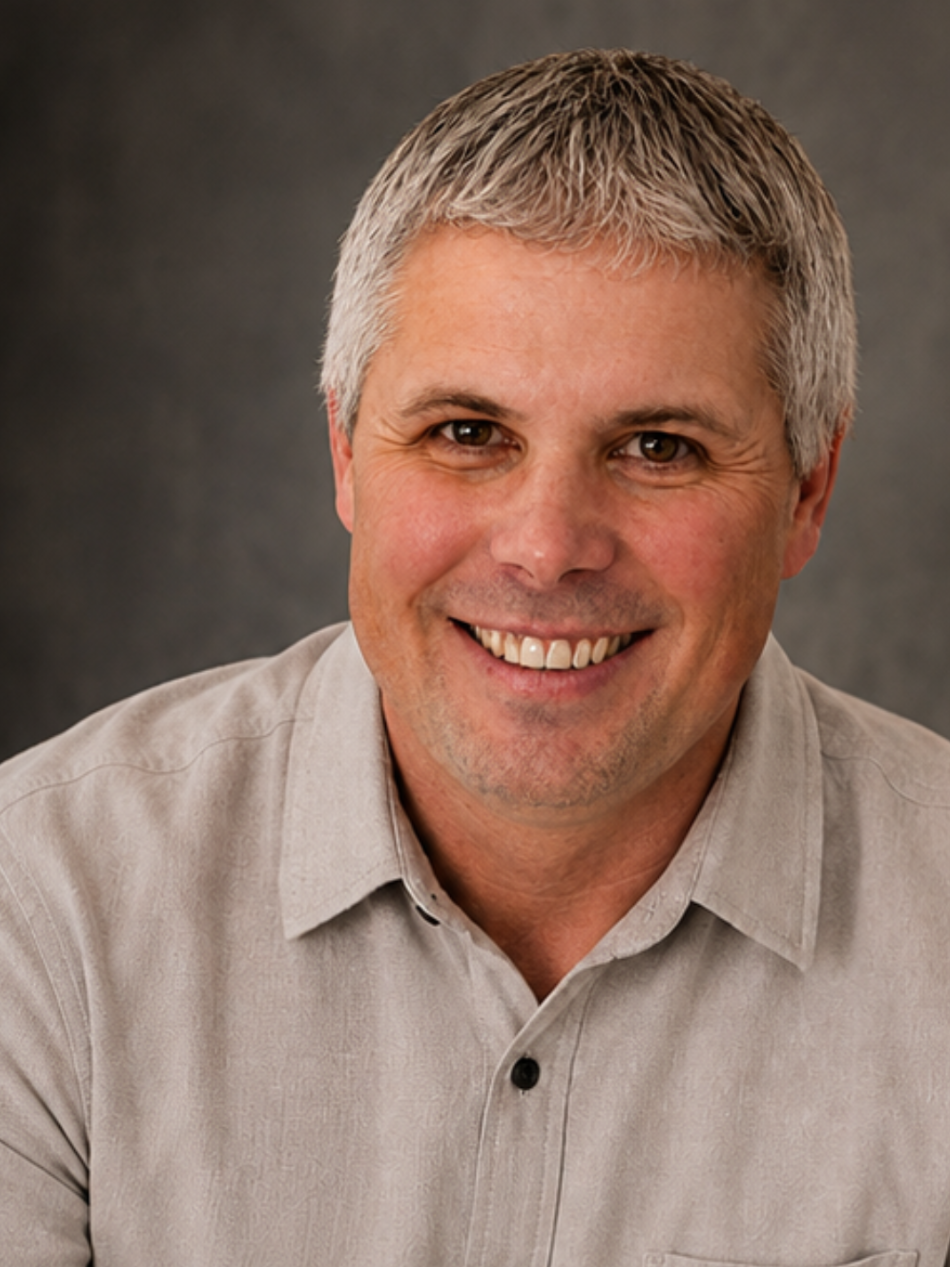
Grant Coupland
Registered Provisional Psychologist
In-Person in Cochrane • Virtual
PTSD • First Responders • Moral Injury
As a former first responder, Grant brings firsthand understanding of operational stress, critical incidents, helper culture and the pressure to keep functioning.
Support Animal Available for In-Person Sessions
Meet Grant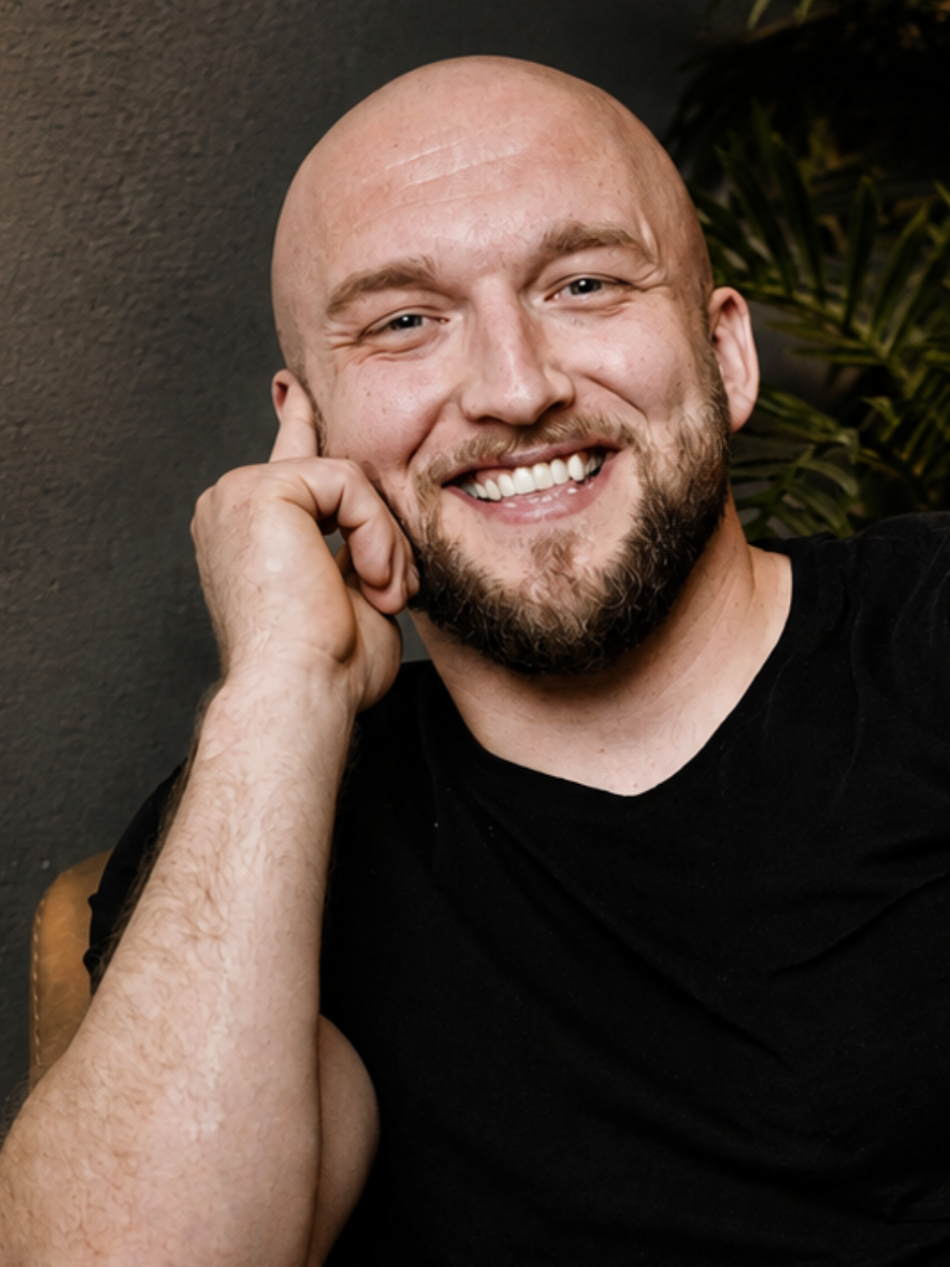
Logan Harland
Certified Canadian Counsellor
Virtual Only
Trauma • Identity • Coping Patterns
Practical support for trauma connected to identity, demanding work, athletics, substance-use cycles, burnout and difficult life experiences.
Meet LoganFrequently Asked Questions
Questions About Trauma & PTSD Support
What Is the Difference Between Trauma and PTSD?
Trauma describes the emotional and physical impact of an overwhelming or distressing experience. PTSD is a specific mental health condition that may develop when trauma-related symptoms persist and interfere with everyday life.
You do not need a PTSD diagnosis or a particular type of experience to seek trauma support.
Do I Need a Formal Diagnosis Before Starting Therapy?
No. You can begin therapy if past or recent experiences are affecting your mood, sleep, relationships, work or sense of safety—even if you are unsure whether the word trauma applies to what happened.
Will I Have to Describe Everything That Happened?
No. Trauma therapy should move at a pace that feels manageable. You will not be expected to share every detail before you are ready. Early sessions may focus on safety, stability, coping strategies and understanding how trauma is affecting you now.
What Happens in Trauma Therapy?
Therapy may include learning about trauma responses, recognizing triggers, building emotional regulation skills, reducing avoidance and gradually processing experiences that continue to affect you.
Your therapist will tailor the approach to your needs, goals and readiness.
Do You Support First Responders and Military Members?
Yes. MFM supports first responders, military members and others affected by operational stress, critical incidents, moral injury, cumulative exposure and the pressure associated with warrior or helper culture.
Grant also brings nearly a decade of firsthand experience as a former first responder.
Is Trauma Therapy Available Virtually?
Yes. Counselling is available virtually across Alberta with all therapists, and in-person in Cochrane with both Rhylee and Grant.
How Many Sessions Will I Need?
The number of sessions varies depending on your experiences, current symptoms, goals and the kind of support you need. You and your therapist will develop a plan together and review it as therapy progresses.
What If I Do Not Know Which Therapist to Choose?
You can book a free consultation with MFM’s Wellness Specialist. Alyssa will learn more about the support you are looking for, explain your options and help connect you with a therapist who may be a good fit.
Is Trauma Therapy Covered by Insurance?
Coverage depends on your insurance plan and the professional designation of your therapist. We recommend confirming your coverage directly with your insurance provider before booking.
What Happened Does Not Have to Control What Comes Next.
Book trauma support directly or speak with Alyssa to find the therapist who may be the right fit.